Black Friday is one of the most widely recognised shopping events in the world, with retailers offering discounts across everything from smartphones and laptops to clothing, home appliances, and other consumer products. Every year, millions of shoppers wait for the event to take advantage of special offers, but its history goes back much further than online shopping and modern retail promotions.
In 2026, Black Friday falls on November 27, the day after Thanksgiving in the United States. Although it is now associated with major shopping discounts, the event did not originally begin as a retail celebration. Its name, history, and connection to the holiday shopping season are more interesting than many people realise.
What Exactly Is Black Friday?
Black Friday is an annual shopping event held on the Friday immediately following Thanksgiving in the United States. It traditionally marks the beginning of the holiday shopping season, when retailers introduce promotional offers to attract customers preparing for the Christmas holidays.
During this period, stores often reduce prices on popular products, including electronics, computers, smartphones, televisions, gaming equipment, clothing, and household items. Both physical retailers and online shopping platforms participate, making it one of the busiest periods for consumer spending.
Although Black Friday originated in the United States, it has expanded internationally. Retailers in different countries now organise their own promotional campaigns, often using the Black Friday name to attract shoppers.
Why Is It Called Black Friday?
The name Black Friday has an unusual history, and it was not originally associated with shopping discounts.
One of the earliest widely documented uses of the term came from Philadelphia during the 1950s and 1960s. Police officers used the expression to describe the heavy traffic, crowded streets, and increased workload that followed Thanksgiving as shoppers and visitors arrived in the city.
Retailers eventually helped popularise a different explanation for the name. According to the familiar accounting interpretation, businesses traditionally recorded financial losses in red ink and profits in black ink. Black Friday supposedly represented the point when retailers moved into profitability because of increased holiday shopping.
However, this accounting explanation became popular later and is not the original historical reason behind the term.
How Did Black Friday Become a Major Shopping Event?
Black Friday gradually developed into an important retail tradition as American stores began using the day after Thanksgiving to attract holiday shoppers.
Retailers recognised that the period between Thanksgiving and Christmas offered a major opportunity to increase sales. Special promotions, early store openings, and limited-time discounts helped attract larger crowds.
As shopping habits changed, Black Friday became increasingly commercialised. Large retailers began promoting their offers weeks in advance, while customers started planning purchases around advertised discounts.
The growth of online shopping further transformed the event. Customers no longer needed to visit crowded stores to access promotional prices. They could browse products, compare offers, and complete purchases through online marketplaces.
What Products Usually Go on Sale?
Black Friday discounts cover a wide range of product categories, although electronics and consumer technology often receive considerable attention.
Smartphones, laptops, tablets, televisions, headphones, gaming consoles, and computer accessories are common promotional products. Retailers also advertise discounts on clothing, footwear, furniture, kitchen equipment, beauty products, and home appliances.
Technology companies and major retailers sometimes use the event to promote older product models, clear existing inventory, or attract customers to their latest devices.
However, discounts vary between retailers, and not every product receives the same level of price reduction.
What Is the Difference Between Black Friday and Cyber Monday?
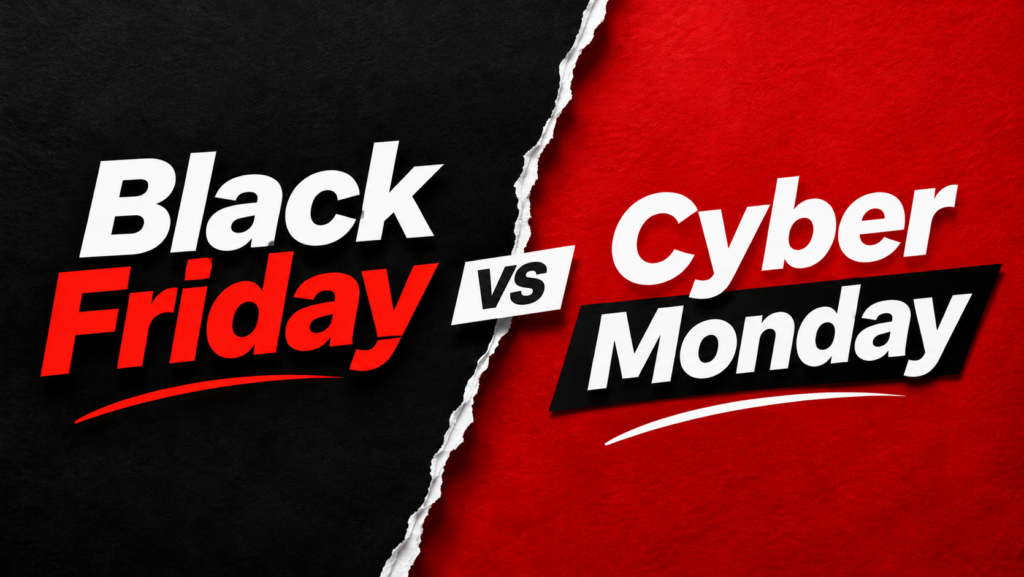
Black Friday and Cyber Monday are closely connected, but they are not the same event.
Black Friday traditionally focuses on shopping promotions across physical stores and online retailers. Cyber Monday takes place on the Monday immediately after Black Friday and was originally introduced to encourage online shopping.
In 2026, Cyber Monday falls on November 30.
Over the years, the distinction between the two events has become less obvious. Many retailers now offer online discounts throughout the entire Black Friday weekend, while some begin their promotional campaigns weeks before the official date.
Are Black Friday Discounts Always Genuine?
A large percentage discount does not automatically mean a product is being sold at its lowest possible price.
Some retailers advertise substantial reductions based on recommended retail prices rather than the prices customers were actually paying before the promotion. Others use limited-time offers and countdown timers to encourage quick purchasing decisions.
Checking the previous selling price, comparing offers across different retailers, and researching product specifications can help shoppers understand whether a promotion represents genuine savings.
It is also worth checking return policies, warranty conditions, shipping charges, and additional fees before completing a purchase.
If this article helped you, please consider supporting our work. Every small contribution keeps Abijita.com independent and running.

Why Should Online Shoppers Be Careful During Black Friday?
The increase in online shopping activity also creates opportunities for cybercriminals. Fake shopping websites, fraudulent advertisements, phishing emails, and misleading social media promotions often appear around major shopping events.
Some fraudulent websites imitate well-known retailers and advertise expensive products at unusually low prices to attract customers. Their actual purpose may be to collect payment details, login credentials, or personal information.
Shoppers should check website addresses carefully, avoid suspicious promotional links, and use trusted payment methods. They should also be cautious of deals that appear significantly cheaper than those available from established retailers.