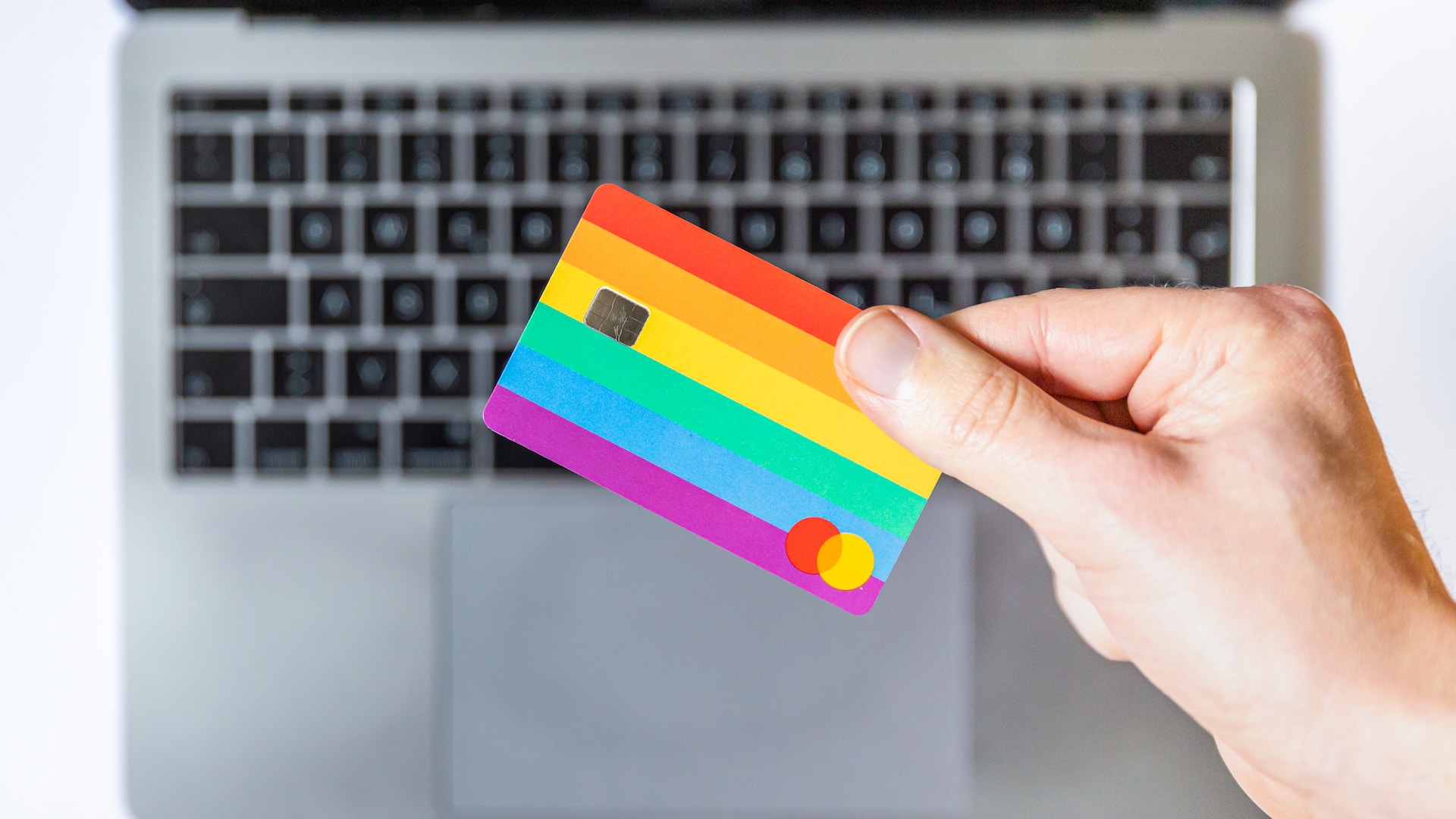
Online shopping is easy, fast, and convenient. With just a few clicks, we can buy almost anything we need. But as e-commerce grows, so do the risks. Fraud and scams are rising every year. According to the Federal Trade Commission (FTC), people lost more than $12.5 billion to online fraud in 2024. Fake websites, counterfeit products, and phishing schemes are everywhere, making it more important than ever to stay alert.
The good news is that you can protect yourself by knowing what to look for and learning how to shop smart. Online marketplaces also have a big responsibility to make sure their platforms remain safe for buyers. One of the best ways to do this is through seller verification.
Seller verification, also called Know Your Seller (KYS), is the process online marketplaces use to confirm the identity of sellers before they are allowed to list products. This usually involves checking important details such as:
- A government-issued ID or business license
- Proof of address
- Bank account or payment information
Why does this matter?
Because when sellers are verified, it becomes much harder for scammers to set up fake stores. Buyers can shop with confidence, knowing they’re dealing with a real person or a registered business. Verification also holds sellers accountable, since their identity is tied to their account.
Signs of a Legitimate Seller

1. Clear Product Details
A genuine seller always provides complete and accurate product information. This means clear descriptions, proper specifications, and real photos of the product. If you see a product page that looks sloppy, has lots of spelling mistakes, or uses only stock images, that’s a warning sign. Scammers often keep things vague because they don’t actually have the product.
2. Active Customer Service
Good sellers make it easy to reach them. They usually have live chat, phone numbers, or an email address where you can get quick answers to your questions. If you struggle to contact the seller or there’s no support option at all, that’s not a good sign. Reliable customer service shows the seller is serious about helping buyers.
3. Warranty and Return Policy
Honest sellers are clear about returns, refunds, and warranties. They’ll explain how you can return a product if it’s damaged or not what you ordered. Scammers, on the other hand, often avoid these topics or hide the information. If you can’t find any return or warranty details, think carefully before buying.
4. Order Confirmation
Every real online store sends you an order confirmation email once you’ve made a purchase. This email should include details like your order number, the product you bought, and the estimated delivery date. If you don’t receive a confirmation, it could mean the store is unreliable—or worse, a scam.
5. Customer Reviews
Reviews are one of the best ways to judge a seller. Look for verified purchase tags, detailed comments, and a balance of positive and negative feedback. Real reviews often mention specific details about the product or delivery experience. Fake reviews, on the other hand, usually sound too perfect, repetitive, or vague. If every review looks suspiciously glowing, take it with a grain of salt.
How to Shop Safely Online

1. Double-Check the Website
Always take a close look at the website’s URL before entering any personal or payment information. Scammers often create fake sites that look almost identical to real ones, using tiny spelling mistakes like “amaz0n.com” instead of “amazon.com.” Also, check for the padlock icon (HTTPS) in the browser bar, which shows that your connection is secure.
2. Stick to Trusted Platforms
Shopping on well-known marketplaces like Amazon, Flipkart, or eBay is generally safer because they have strong security measures in place. Unknown websites or little-known online stores may not have proper verification or fraud protection. If you’re unsure about a platform, it’s better to avoid it.
3. Watch Out for “Too Good to Be True” Deals
If a deal looks unbelievably cheap, it probably is. Scammers often lure shoppers with huge discounts to make fake products seem irresistible. Always compare prices with other sellers and be skeptical of offers that undercut the market by a large margin.
4. Use Secure Payment Methods
Always pay using a credit card or trusted payment services like PayPal, as they provide fraud protection and the option to dispute charges. Avoid sending money directly through bank transfers or unfamiliar digital wallets, since these methods usually don’t offer any recourse if something goes wrong.
5. Protect Your Accounts
Keep your accounts safe by enabling two-factor authentication (2FA) wherever possible. Use strong, unique passwords for each shopping site and consider using a password manager to store them securely. This prevents hackers from accessing multiple accounts if one password is compromised.
6. Avoid Public Wi-Fi for Payments
Public Wi-Fi networks are often not secure, making it easier for cybercriminals to intercept your personal and financial information. Always complete online purchases using a private, secure network—for example, your home Wi-Fi or a mobile data connection.

E-commerce has transformed shopping, but fraud has become a serious problem. As losses grow every year, protecting buyers should be the top priority.
If this article helped you, please consider supporting our work. Every small contribution keeps Abijita.com independent and running.

For shoppers, that means being alert: checking websites, verifying sellers, and using safe payment methods. For marketplaces, it means stronger verification, smarter fraud detection, and faster response to scams.
In the end, online shopping should feel safe and convenient—not risky. With the right steps, both buyers and sellers can enjoy a trustworthy digital marketplace.