
A cybersecurity researcher has discovered an unsecured database containing approximately 2 billion credential records, including email addresses, usernames, passwords, browser cookies and session tokens. The information was accessible online without a password or encryption, raising concerns that criminals could use the exposed data to take over accounts.
Jeremiah Fowler discovered the database and shared his findings with ExpressVPN. According to ExpressVPN’s cybersecurity research, the collection contained credentials and other account information that appeared to come from multiple suspected infostealer malware operations and other sources.
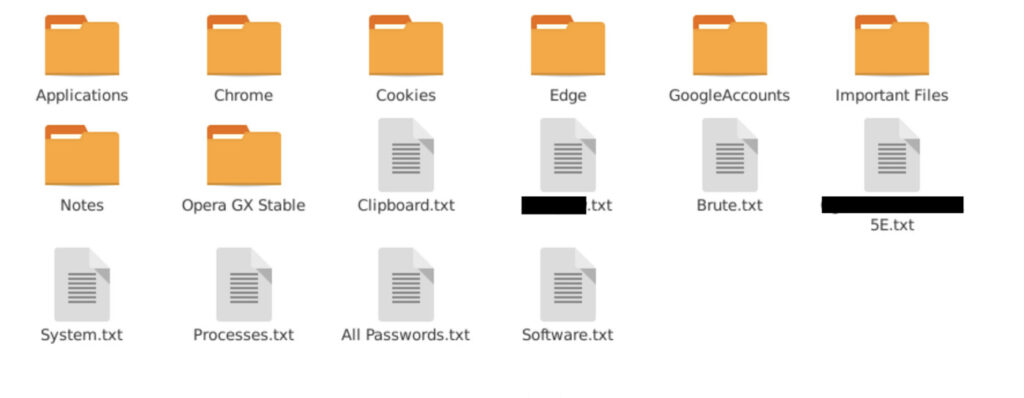
The database was organised into 8,471 folders and included information stored in plain text. Some records were grouped by country, while others appeared to contain data collected from individual devices. Fowler also identified hundreds of thousands of documents that appeared to have been generated by malware capable of gathering detailed information from infected systems.
Beyond usernames and passwords, the exposed material included browser cookies, session tokens, saved application credentials and device information. These details can be particularly valuable to attackers because valid session tokens may allow access to online accounts without requiring the account password again.
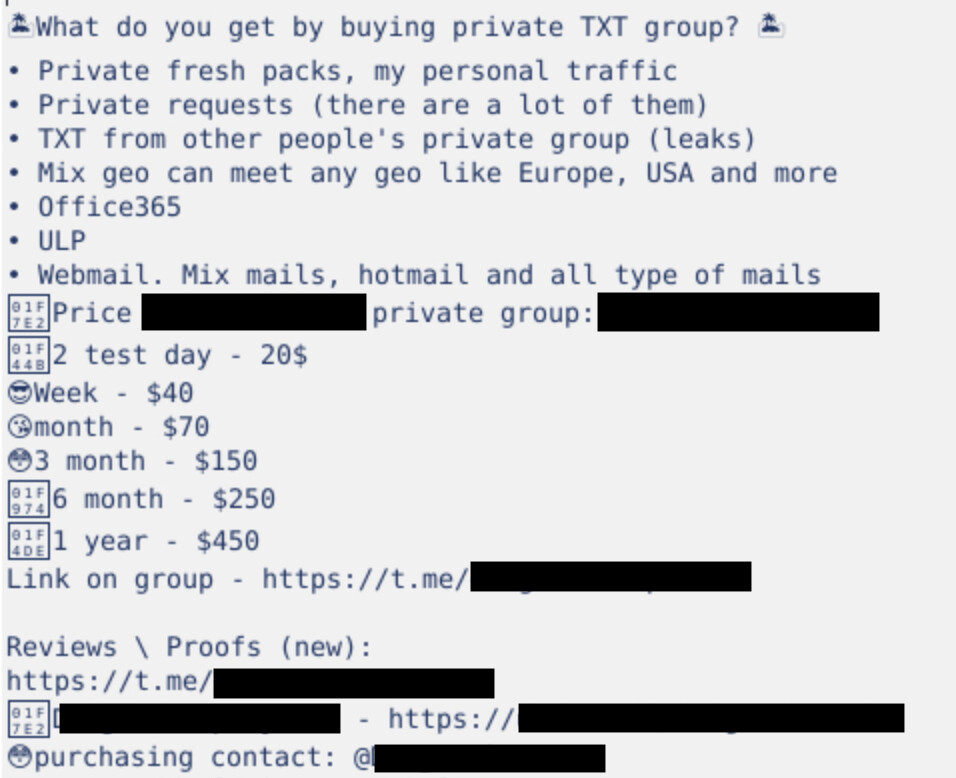
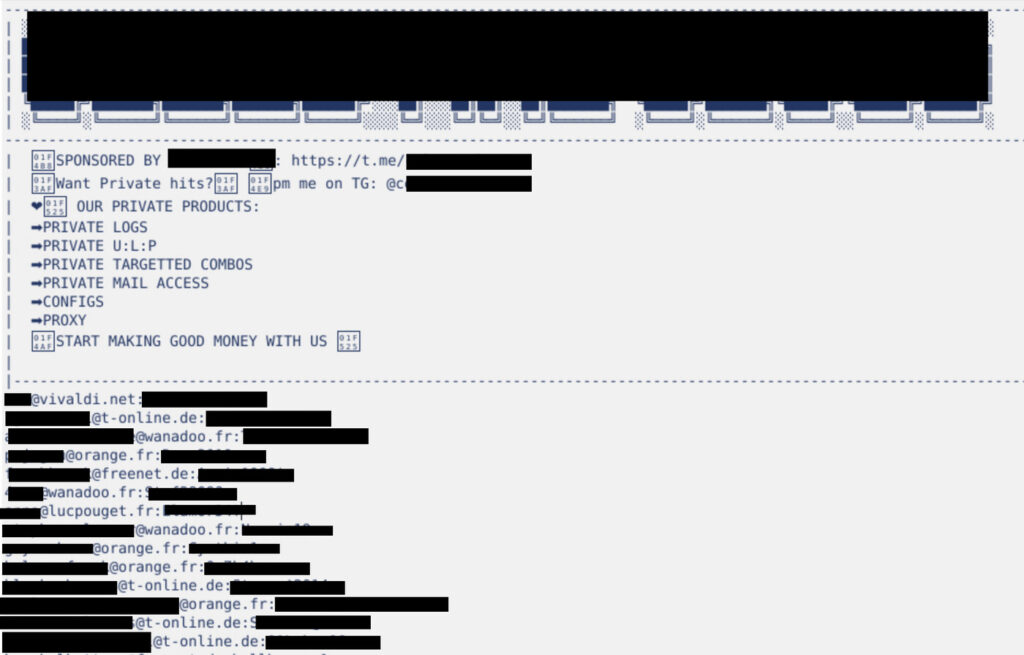
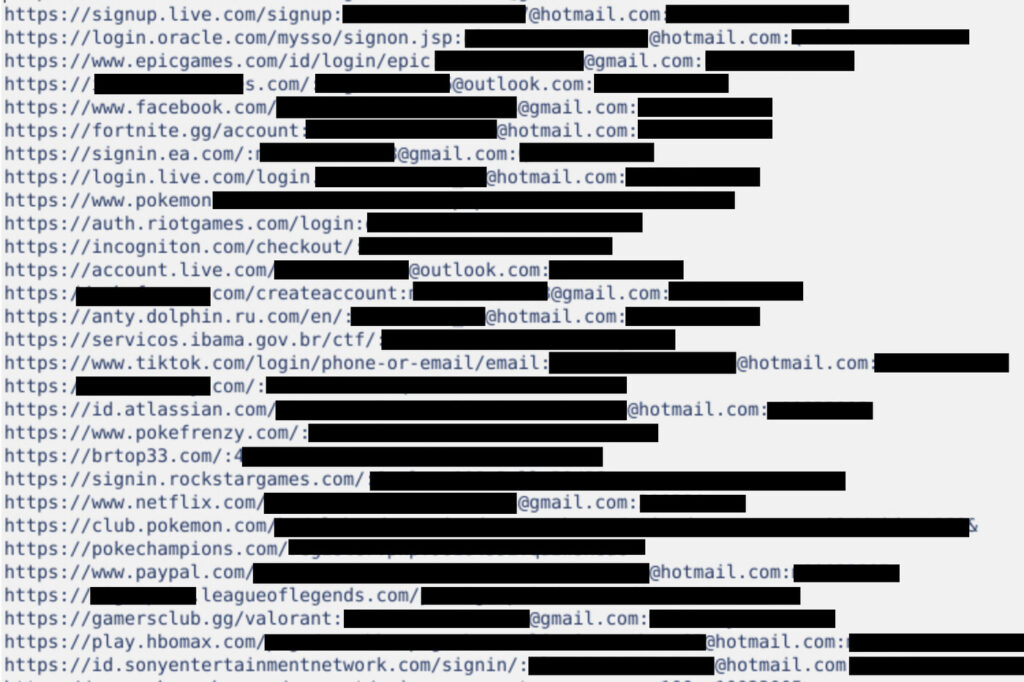
The researcher also found thousands of Tor-based .onion addresses alongside account names and passwords. Such credentials could provide access to private forums, marketplaces and communication services operating through the Tor network. However, the presence of these addresses does not by itself establish that the database was used for criminal activity.
Fowler could not establish who owned the database or why it had been assembled. Its structure suggested that it might have been maintained by an underground marketplace, a credential reseller or a data aggregation operation. However, legitimate cybersecurity researchers and threat intelligence organisations also collect compromised credentials for investigations.
After the discovery was reported to the hosting provider, public access to the database was restricted several days later. It remains unclear how long the information had been exposed or whether anyone accessed or copied it before the database was secured.
The scale of the collection highlights the risks posed by infostealer malware. These malicious programs can extract passwords saved in browsers and applications, along with cookies, authentication tokens, clipboard contents and other sensitive information. A single infected device may contain login details for many different services.
Stolen session tokens can sometimes allow attackers to bypass the normal password login process. Compromised email accounts can also be used to reset passwords for other services, while credentials belonging to businesses may expose corporate accounts and systems.
The records reportedly covered a range of services, including email providers, banking platforms, cryptocurrency accounts, social networks, government portals and online shopping sites. Their appearance in the database does not mean those platforms were breached. The credentials may instead have been collected from infected users’ devices.
Fowler cautioned that the figure of 2 billion refers to credential records, not 2 billion confirmed individual victims. The collection may include duplicate entries, expired passwords and information that had already appeared in earlier data leaks. A single person may also have multiple accounts represented in the database.
Users should keep their operating systems, browsers and applications updated and avoid downloading software or browser extensions from untrusted sources. Running reputable security software can help detect infostealer malware before it collects sensitive information.
Anyone who suspects their device has been infected should scan it and remove malicious software before changing account passwords. Password changes should be made from a separate, trusted device, and users should sign out of existing sessions wherever the service provides that option. Using unique passwords for each account and enabling multi-factor authentication can also reduce the risk of account takeovers.
If this article helped you, please consider supporting our work. Every small contribution keeps Abijita.com independent and running.

Abijita has previously reported on large collections of stolen credentials, including a database of 284 million stolen accounts linked to infostealer malware logs.

Nearly 2 Billion Passwords and Login Credentials Exposed in Massive Data Leak