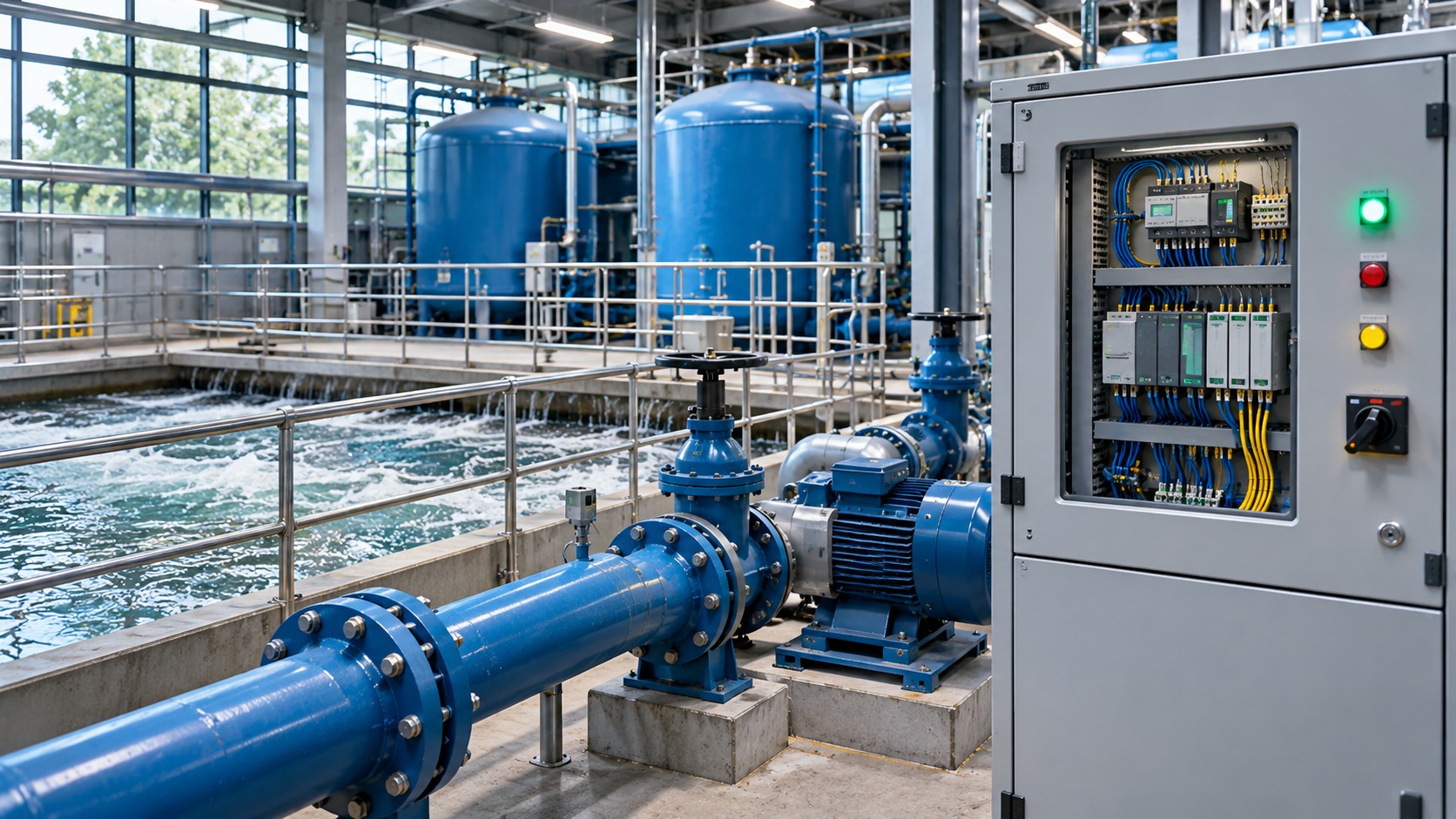
A new cybersecurity study has found that U.S. drinking water and wastewater systems face a wider range of digital security risks than federal vulnerability lists reveal, with attackers able to reach some industrial equipment through exposed controllers and poorly documented remote connections. The report, published by cybersecurity firm Securin on November 25, examined technology supplied by 236 vendors serving the water sector.
Securin’s Water Supply Chain Watch report identified vulnerabilities and attack paths that are not fully represented in public government advisories. The company said only two of the 86 vulnerabilities used by threat groups targeting water systems appeared on federal advisory lists. It also found that 14 of the 17 vulnerabilities identified as exploited involved software components developed by third parties rather than the water technology vendors themselves.
The research found that 42 percent of the identified water-sector vulnerabilities had no vendor-provided fix, while 99 of the 236 vendors had not been covered by a federal advisory. Securin said the findings highlight how utilities can overlook risks in software libraries and equipment supplied by outside companies, even when the main water-system vendor has not issued a security warning.
Exposed industrial controllers were another concern. The report said attackers exploited controllers without passwords during a July 2026 campaign affecting more than 30 water systems in Minnesota. Securin also identified 791 Rockwell MicroLogix 1400 controllers exposed to the internet in the United States as of November 17. Seven in 10 exposed controllers were located behind cellular modems, which may be installed by contractors and left out of utilities’ asset inventories.
The report found that exploited vulnerabilities in the water sector were targeted a median of 11 days after disclosure. That short window can leave operators exposed when they rely only on public vulnerability alerts or wait for a direct notice from a technology supplier.
Securin recommends that water utilities identify every remote connection and cellular modem linked to operational networks, remove controllers from direct internet exposure, require multifactor authentication for remote access and request software component inventories from technology vendors. The company also urged utilities to account for equipment installed by contractors, which may not appear in normal asset records.
The findings follow repeated warnings about attacks on internet-connected industrial equipment. Abijita has previously reported on officials’ warnings about attacks targeting two Colorado water systems and cybersecurity threats affecting industrial control systems.
If this article helped you, please consider supporting our work. Every small contribution keeps Abijita.com independent and running.

Securin published the full Water Supply Chain Watch research, while The Register and WaterWorld reported additional details from the study.

New Report Finds Hidden Cybersecurity Risks Across US Water Systems