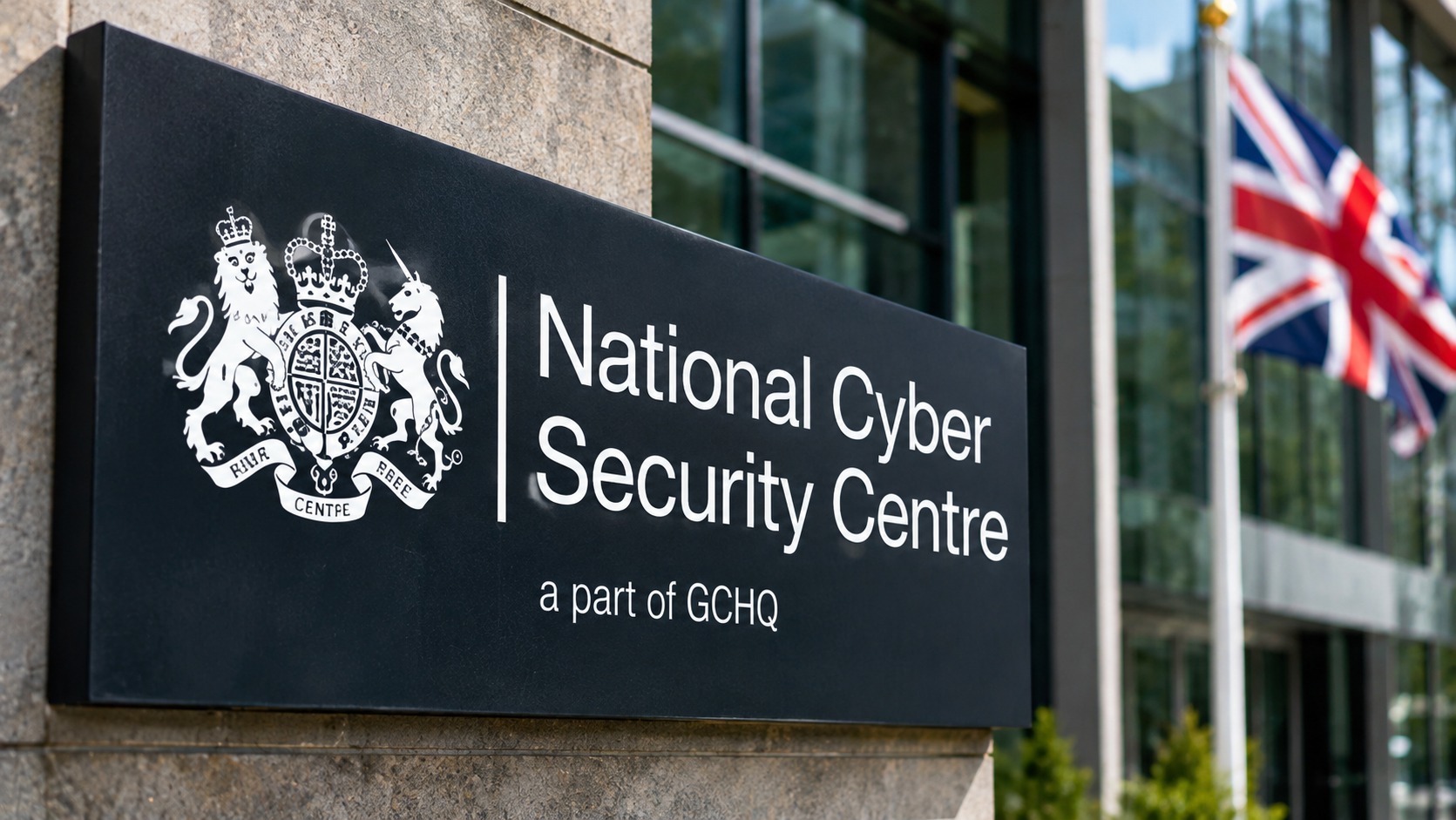

The UK’s National Cyber Security Centre says it has seen a marked rise in AI-driven cyberattacks since September, with attackers using autonomous frameworks to scan internet-facing systems and exploit weaknesses within minutes. The agency says the incidents have disrupted services and, in some cases, given attackers a foothold inside compromised networks.
In a November 24 report, the NCSC describes the activity as agentic offensive frameworks: software that connects large language models with common penetration-testing tools. The systems can plan attack steps, run tools against a target, read the results and decide what to try next, repeating the process with limited human intervention.
The NCSC said the attacks have not relied on new or previously unknown vulnerabilities. Instead, the frameworks have exploited credentials accidentally committed to code repositories, misconfigured infrastructure-as-code deployments, default credentials, missing authentication and weaknesses in application programming interfaces. Once inside a network, they can search for excessive permissions and poorly separated systems.
According to the agency, the frameworks can move from discovery to exploitation in minutes and operate cheaply at scale. Their current activity is often noisy, generating large volumes of requests and errors that can help defenders detect them, but the NCSC warned that future versions could be designed to operate more quietly.
The report adds to recent findings on AI-assisted intrusions covered by Abijita, including Google’s findings that AI agents automated real-world software exploits and the FBI’s warning about the ARTEX framework used in attacks across multiple sectors. The NCSC said the weaknesses found in its recent cases were longstanding security gaps rather than novel flaws.
If this article helped you, please consider supporting our work. Every small contribution keeps Abijita.com independent and running.